
Editorial
Jewelry Shopify storefront notes
Updated
StoreAtlas editors
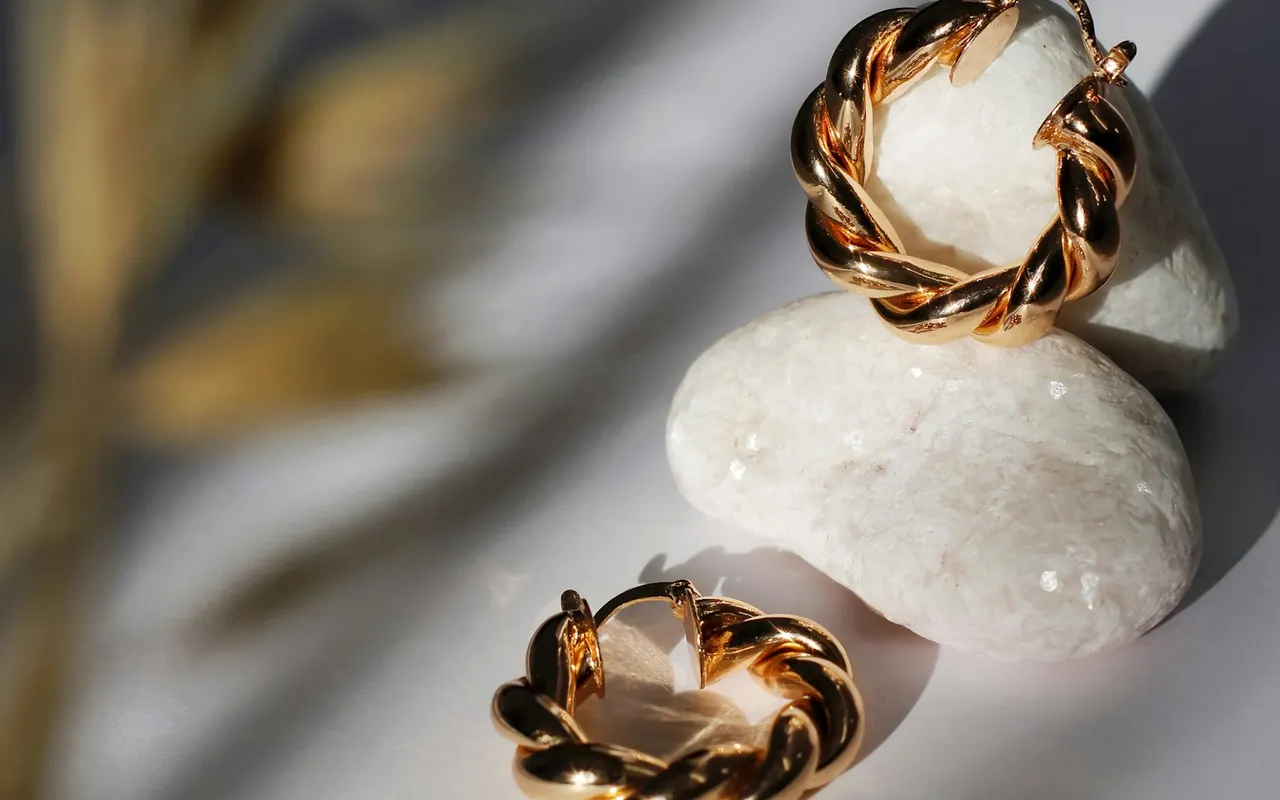
Jewelry Shopify storefront notes split on what the photograph is selling. An occasion grid can survive a single ring in a white sweep. An everyday-gold grid that only shows isolates makes the shopper do the stacking math. Combination merchandising only helps if metal, scale, and care are still on the page.
Jewelry on this site is the shelf, not a scoreboard. Brand files stay on /s/{slug}. We do not invent auction-house grades.
Stack as the product
When lookbooks show hoops, rings, and chains together, you can judge how pieces share metal and scale. That reduces “will this sit with what I own?” — and it also nudges a multi-item cart. It is fog if the stack is only a photo and the alloy story is missing.
Everyday vs occasion
Bridal and statement pages can live on hero SKUs. Tuesday jewelry that never shows wear is asking you to imagine the set. When you browse the jewelry shelf, ask which sites show wear and which show object.
Returns and metal are the contract
Regional return windows and alloy details vary. Read them on the official site. We will not paste care tables. A stack photo that never names the metal is merchandising without a spec.
What this guide is not
It is not a second Mejuri blurb. It is the habit: if you cannot see a stack on an everyday grid, you are looking at a different kind of jewelry store. Use how to read a Shopify product page for the picker and the rule under Buy now.
Scale in the photography
If every hoop is shot at the same distance, you cannot judge size against a finger or an earlobe. Everyday grids that show wear also show scale. Occasion grids can get away with a void; Tuesday jewelry cannot.