
Editorial
Pet DTC stores worth checking in 2026
Updated
StoreAtlas editors
Read as Markdown · Before you buy
A pet direct store is worth opening when the page tells you what the animal will actually receive, who sells it, and how a problem is handled after delivery. Search interest around pet goods can spike for reasons that have nothing to do with your dog or cat. A viral clip is not a feeding direction. StoreAtlas lists brand shops in the directory so you can read the row, then the host, then decide. Deals is a second door for price movement. It is not a feeding plan and it is not a ranking of “best” brands.
This note is a buyer read of pet storefronts in 2026: food and supplements versus gear, what to verify on the product page, and when a deal tile is safe to follow. It does not tell a brand how to pick a hero SKU. It does not quote a price. It does not promise that an imported bag will clear your border.
Use the blog for other storefront notes and returns and ship-to guides for the general habit on unused returns. Pet food adds rules the general habit does not cover. The brand policy and your destination’s own rules sit above this page.
Separate the shopping jobs
Pet catalogs mix objects that fail in different ways.
Gear — bowls, leashes, beds, toys — fails like other hard goods. You can often see size, materials, and a photo of stitching. The check is still the product page: dimensions in text, not only in a styled photo, and a returns line you can use from your country. A bowl that looks large next to a small dog in a film can be a travel bowl. Read the centimeters or inches on the page.
Consumables — diets, treats, supplements, parasite control — fail as ingestion and as regulation. The label, the lot, the species, and the life stage matter more than the lifestyle photo. A supplement is not a complete diet because the still shows a shiny coat. A treat made for dogs is not a treat for cats because the brand also sells cat beds. Match species and life stage on the panel you will receive, which means the panel printed in the language of the market you are buying for, when the host provides it.
Services and subscriptions fail as cadence. A repeat delivery can be convenient and can also keep charging after the animal no longer needs the SKU. Read how to skip, how to cancel, and whether the next charge follows the price on the day you subscribed or the price on the day it ships. This note will not invent that rule. The subscription terms will.
If you only needed a leash, do not let a food bundle become the cart because the bundle is the campaign. If you needed a diet, do not let a toy become proof that the diet is appropriate.
What a directory row can and cannot hold
A StoreAtlas row can tell you the brand is a direct shop worth opening, with a short line on who the catalog fits. It cannot certify a formula, a veterinary claim, or today’s stock. Open the host from the row. If a social ad uses a different domain, stop. Lookalike pet shops are common because the photos are easy to copy and the repurchase habit is valuable to a scammer.
On the host, read in this order:
- Species and life stage on the SKU you will buy, not on the brand story. - Full ingredient or materials list in text you can search, not only icons. - Feeding or use directions on that same SKU. - Lot, expiry, or “best before” language where the product is a food. - Who the seller is, and which country the goods ship from. - The return and damage path, including opened food if the policy mentions it.
Opened food is often excluded from change-of-mind returns and still covered when the bag arrives damaged or the formula in the bag does not match the page. Those are different cases. Read both. Do not borrow a clothing return window from another article and paste it onto a kibble bag.
Store the evidence you may need: the product URL, the ingredient text, and the order confirmation. Your own copy is enough. The directory does not keep a mirror of the label.
Imported diets and the border you actually live behind
Shoppers in Japan, Korea, the EU, the UK, Brazil, Mexico, and the United States do not face the same import treatment for animal food. A bag that is ordinary in the country of manufacture can be restricted, relabeled, or refused at your border. The store page might still sell it. Selling is not the same as a promise that your customs authority will release it to you.
Read the host for ship-to. If your country is missing, a freight forwarder is a new risk, not a small convenience. Many pet-food policies cover loss only until the first carrier scan, or only to addresses in a named list of countries. A forwarder address can void the part of the policy you cared about.
Read claims with the same caution. Words such as “human grade,” “vet formulated,” or “complete and balanced” are meaningful only when the page ties them to a standard you can look up and to the species on the bag. A caption that says “clean” is not a standard. If you need a therapeutic diet, the person who should confirm it is your veterinarian, using the label, not a campaign film. This note is not veterinary advice.
Supplements and parasite products deserve a slower read than a bandana. Some categories are medicines in one country and ordinary goods in another. If the page is vague about the active ingredient, do not fill the gap from a comment section. Choose a different SKU or a different host.
For buyers comparing a local pet shop with a foreign direct brand, the local shop’s advantage is often the label language and the return you can actually walk through. The foreign brand’s advantage is often a formula you already know from travel or from a previous move. Neither advantage replaces the label check on the day you buy. Animals change life stage. A formula you used two years ago can have a new recipe under the same product name. Read the panel again.
When the deals door is the right second click
Use deals after you know which SKU you are willing to feed or use. A discount on the wrong life stage is not a saving. A discount on a flavor your animal refuses is not a saving. A multi-bag offer that expires into a subscription you did not mean to start is a different contract from a one-time bag.
Check three alignments:
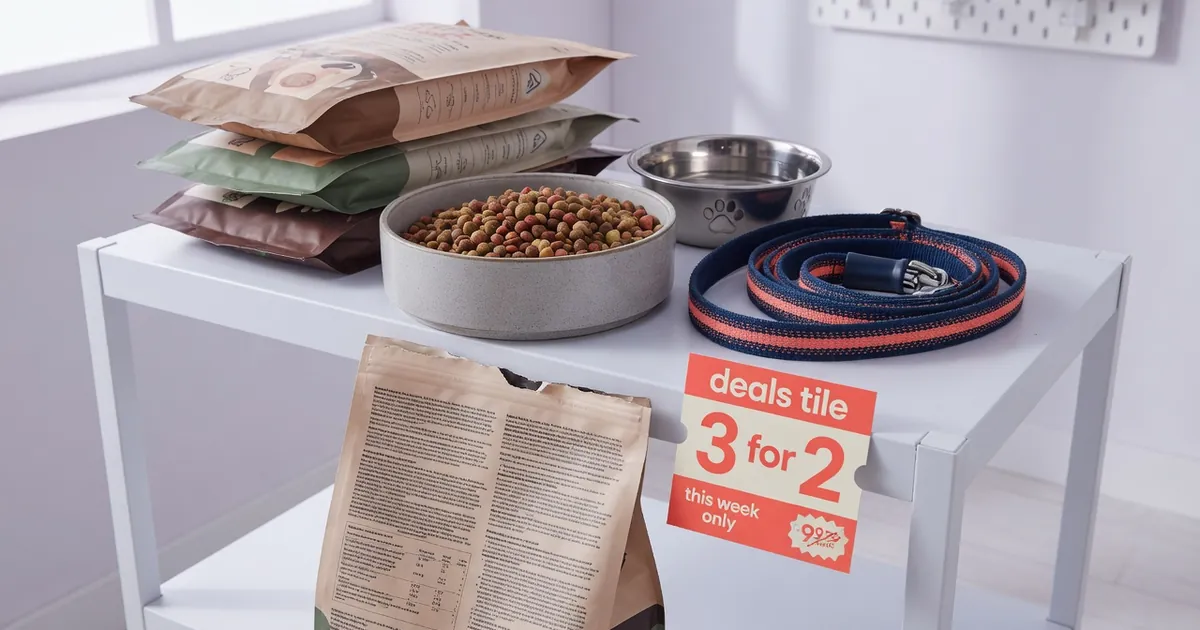
1. The deal tile names the same brand host as the directory row. 2. The product page still shows the same size and species you saw on the tile. 3. The pay step does not add a subscription, a club, or a protection plan you did not choose.
Price history on a tile can lag the host. If the host price is higher or lower than the tile, the host is the number you will pay. StoreAtlas does not freeze a promotional calendar for pet brands and does not promise a repeat of last year’s event.
Gear deals are simpler than food deals. A bed on sale is still a bed: measure the fill and the wash instructions. Food on sale still needs the lot and the ship-from, because a long ocean transit can matter for remaining shelf life even when the policy never states a day count. Ask the page whether it will show an expiry before pay. If it will not, decide whether you accept that uncertainty.
A buyer pass you can repeat
Keep a short pass for any pet host you have not paid before.
- Domain matches the directory row. - Species, life stage, and ingredients are on the SKU. - Ship-from and ship-to match the address you control. - Returns mention damage and opened goods in separate sentences. - The cart is one-time unless you knowingly chose a repeat. - A deal tile, if you used one, still matches the SKU at pay time.
If the host fails the pass, the honest outcome is to leave. Another brand in the directory may fit the same animal with a clearer page. Clarity is the feature. A louder film is not.
Regional storefronts of the same brand can use different recipes. The EU bag and the US bag under one logo are not automatically the same formula. Switch the country selector and read the panel that belongs to the selector. Do not assume the English export page is the label your dog will eat.
What not to outsource to a headline
Industry write-ups sometimes explain why pet search traffic jumps. That can be interesting context for people who sell. It is a weak reason for people who buy. Your animal does not need the SKU that a marketplace ranked highest this week. Your animal needs the SKU whose label you read and whose seller you can contact when a bag arrives open or the formula looks different.
Use StoreAtlas as the map back to the host. Use deals when you already know the SKU and want to see whether a tracked offer is live. Use your veterinarian for medical decisions. Use the brand policy for the parcel. Leave headline percentages on the headline.
Questions
- Does StoreAtlas rank pet brands?
- No. There is no star list and no aggregate score. A directory row says who the catalog is for. You still read the label on the brand host.
- When should I open the deals view?
- After you know the SKU, species, and life stage you are willing to buy. A lower price on the wrong formula is not a saving. Match the tile to the host at the pay step.
- Can I apply a clothing return window to a bag of food?
- No. Opened food is often a different case from an unused garment, and damage in transit is a different case from change of mind. Read the pet brand’s policy beside that SKU.
- Is an imported diet automatically allowed at my border?
- No. A host can sell a bag your customs authority will hold or refuse. Read ship-to on the host. A freight forwarder can sit outside the policy. This page is not import advice for a specific shipment.
- The product name is the same as last year. Can I skip the panel?
- No. Recipes change under stable names, and regional storefronts of one logo can differ. Read the panel that matches the country selector you will check out in.