
Editorial
Shopify storefront vs Amazon
· StoreAtlas editors
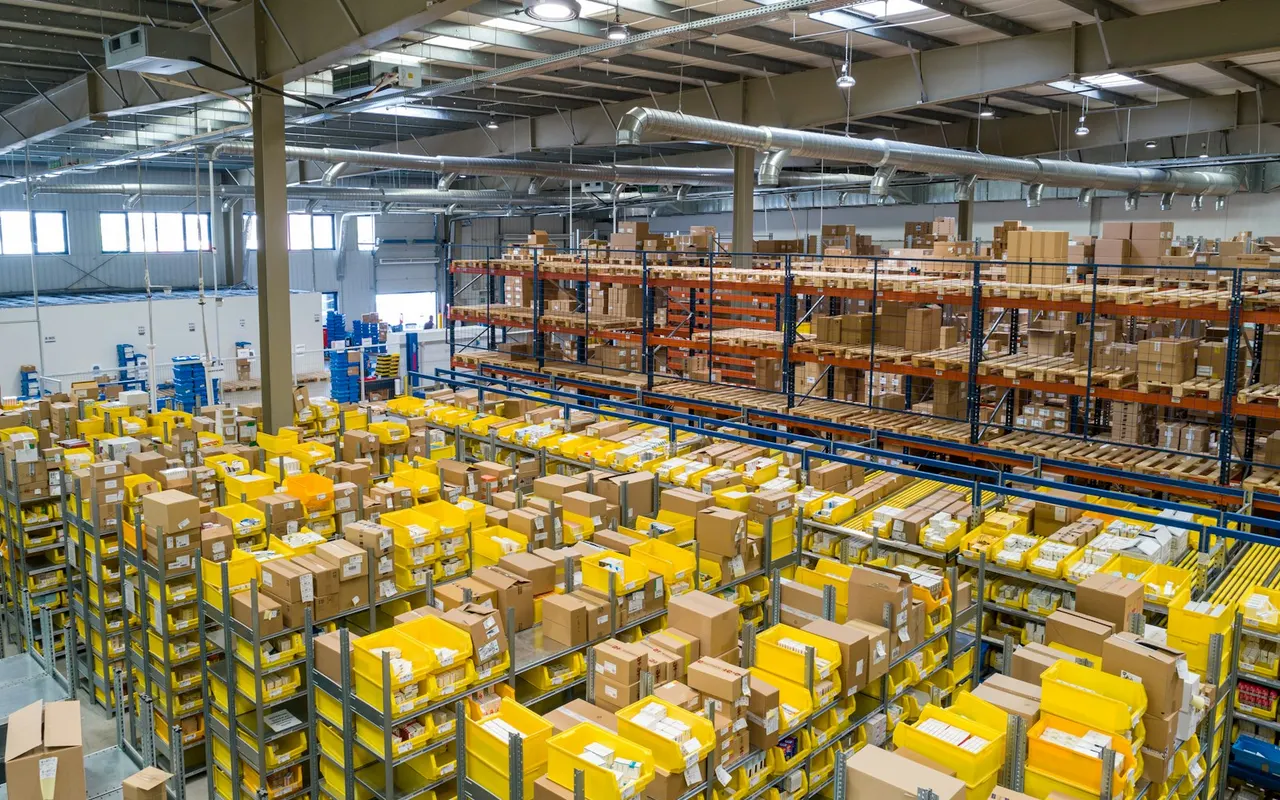
Shopify storefront vs Amazon is a category error if you treat them as two “shops” with different paint. A brand Shopify site is a room the merchant furnished. Amazon is a demand channel: many sellers, shared search, a cart the shopper already trusts, and return rules the brand does not fully own.
StoreAtlas files them on different shelves. Owned sites are stores. Channels are platforms. The shorter pairing note is marketplaces vs owned storefronts.
What changes when you leave the mall
On Amazon you compare listings inside someone else’s ranking. Branding is a badge. Returns often follow the mall. Discovery is search you already use.
On a Shopify homepage you compare the brand’s story: materials, kits, specs, membership. Nobody ranks the page against twenty other sellers in the same grid. The cost is traffic. The brand has to earn the visit.
Neither is a moral win. A commodity cable may be easier to buy on a mall. A materials-led shoe is easier to understand on the brand site — if the page actually puts fiber on the first screen.
Seller account vs theme
A “store” on Amazon is often a seller account. A Shopify storefront is a theme plus navigation plus merchandising the merchant can change on Monday. Mixing those in one mental folder is how people say “I found it on Shopify” when they mean a marketplace tile.
If the public URL is amazon.com (or another mall), we will not file it as a DTC merchandising case. If the public URL is a brand homepage we could open, it is a store listing.
Whose return rule is this?
Ask two questions. Whose customer account holds the order? Who publishes the return window you will actually use? On a mall, the answers often point at the operator. On an owned site, they point at the brand — and at a shipping table you should read first.
How we write about them
We do not score Amazon against Shopify. We do not publish “better than Amazon” lists. We describe the object so you do not click a mall expecting a single materials narrative, or a brand site expecting marketplace convenience.
When you evaluate any URL, start with how to evaluate a Shopify store only after you know you are on a brand homepage.
Comparison shopping vs narrative shopping
Malls are built for comparison: many tiles, one cart, reviews you already know how to discount. Brand sites are built for a narrative you cannot get when twenty sellers share the page. If your job is “cheapest cable,” the mall is the matching object. If your job is “what is this shoe made of,” start on the owned homepage — then still read shipping.